Single Post

Official FIFA World Cup 2026 tournament poster introducing the 2026 World Cup supplier buying guide

How to Choose the Right World Cup National Team Jersey Supplier in 2026

How to Choose the Right World Cup National Team Jersey Supplier in 2026 is a practical question for wholesalers, resellers, football shops, fan stores, and event sellers preparing for the biggest World Cup cycle yet. FIFA states that the 2026 World Cup will be the first edition with 48 teams, played across three host countries—Canada, Mexico, and the United States—and expanded to 104 matches, which means wider team demand, more fan segments, and more buying opportunities for jersey sellers.

That bigger tournament also means one thing for buyers: choosing the wrong supplier will cost more than usual. If the supplier cannot keep quality stable, update team inventory fast, manage shipping safely, or support wholesale communication, your business can lose time, customers, and repeat orders.

This guide explains what serious buyers should check before choosing a World Cup national team jersey supplier in 2026.

Official FIFA World Cup 2026 tournament poster introducing the 2026 World Cup supplier buying guide

Why Supplier Choice Matters More in 2026

The 2026 World Cup is not a small seasonal sales window. It is a large, multi-market demand cycle.

More teams mean more national jerseys, more fringe teams with surprise demand, and more buyers looking beyond only Brazil, Argentina, France, Germany, or England. A supplier that only does a few popular shirts well may not be enough.

A strong supplier in 2026 should help you do three things:

  • cover broad national team demand
  • control quality across repeated orders
  • reduce order risk during peak shipping periods

If a supplier fails in any of these areas, the buyer usually pays the price.

What Type of Supplier Do You Actually Need?

Not every buyer needs the same supplier.

Retail Resellers

If you run a small online store, social media shop, or niche football page, you need:

  • lower MOQ
  • stable restock ability
  • easy communication
  • clear photos and size details
  • fast problem solving

Bulk Wholesalers

If you sell to local stores, teamwear shops, or regional distributors, you need:

  • broader SKU coverage
  • more predictable stock depth
  • carton-level shipping planning
  • packaging consistency
  • clearer after-sales handling

Event and Campaign Sellers

If you are selling around watch parties, football bars, pop-up events, or seasonal promotions, timing matters more than almost anything else.

In that case, your supplier must be able to:

  • confirm availability quickly
  • process orders fast
  • provide accurate dispatch timing
  • reduce the chance of missed sales windows

Start with Product Quality, Not Just Price

Many buyers make the same mistake first: they compare only prices.

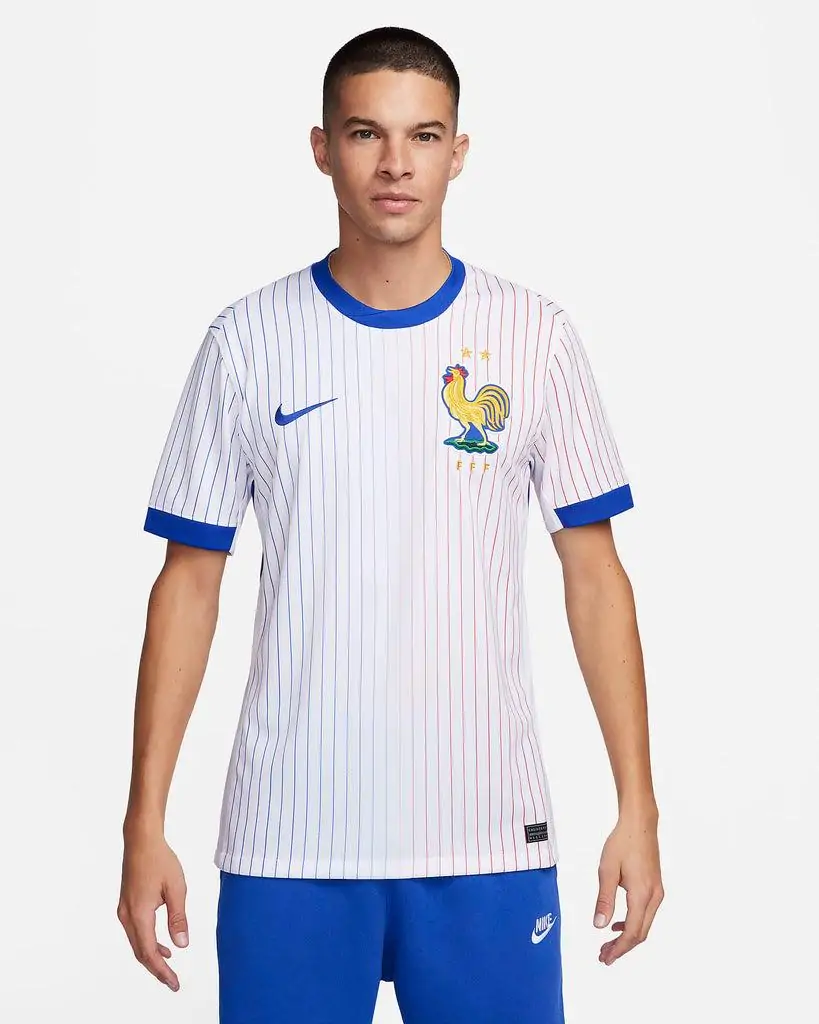
Cheap pricing may look good at the start, but poor jersey quality creates bigger losses later. Customers notice fabric feel, badge finish, sponsor print alignment, neck label quality, loose threads, sizing inconsistency, and overall shape after washing.

What to Check in Jersey Quality

Ask the supplier for real, current product photos and close-ups of:

  • fabric texture
  • collar stitching
  • sleeve edges
  • heat-pressed or embroidered logos
  • player name set finish
  • patch placement
  • inside seams

A good supplier should also be able to explain:

  • whether sizing follows Asian, EU, or mixed grading
  • whether fan version and player version differ
  • whether customization is available
  • how the item holds up after repeated washing

Why Samples Matter

Before placing a large order, buy samples.

This is one of the smartest moves a buyer can make.

Use sample orders to check:

  1. overall material feel
  2. print firmness
  3. color accuracy
  4. badge quality
  5. fit and size tolerance
  6. packaging condition after delivery

A supplier that looks great in catalog photos but performs poorly in real samples is not the right supplier.

Product Range Is a Competitive Advantage

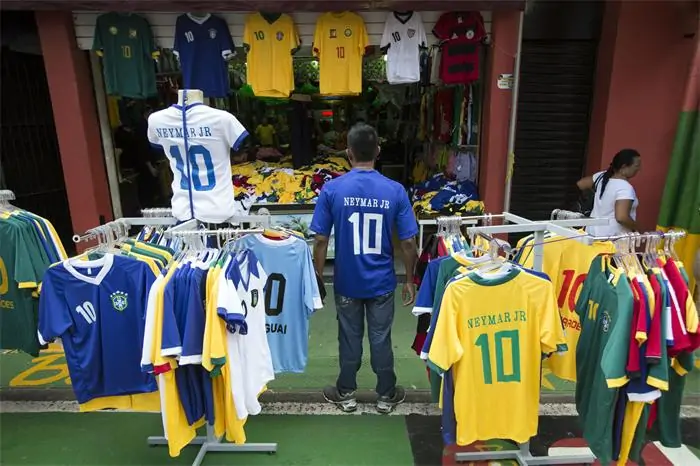
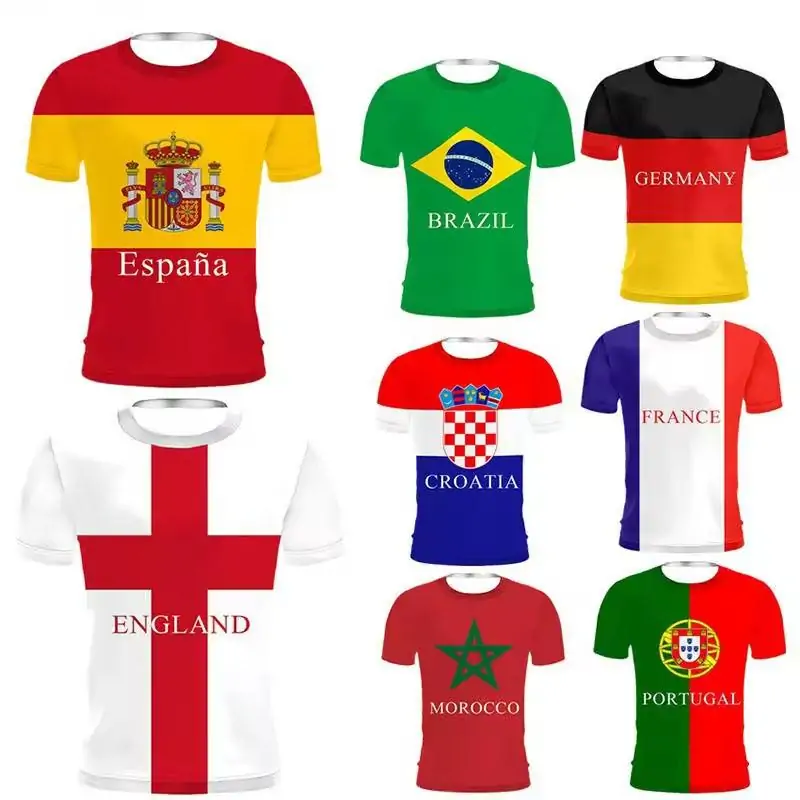
Multiple national team football jerseys displayed together to show supplier range for World Cup 2026 wholesale buyers

Because the 2026 tournament is larger, supplier range matters more than in past years. FIFA’s official 2026 materials confirm the tournament scale is wider than any previous edition, which is exactly why buyers should think beyond only a few traditional top-selling teams.

A good World Cup jersey supplier should not only carry best-selling nations. They should also be prepared for secondary demand.

What a Good Range Looks Like

A strong supplier should ideally offer:

  • major national team jerseys
  • less mainstream national teams
  • home and away versions
  • goalkeeper kits when possible
  • adult and youth sizing
  • customization options for names and numbers
  • patches or special tournament details where relevant

The wider the range, the easier it is for you to capture long-tail sales.

That matters because buyers often discover profit in teams that are not the most obvious ones.

Check Stock Depth and Restock Speed

A supplier may show many products on a website, but that does not always mean the products are truly ready in stable quantities.

This is why you should always ask:

  • Which teams are stocked now?
  • Which sizes move fastest?
  • Which products are pre-order only?
  • How often is inventory updated?
  • What happens when one size sells out?
  • How fast can repeat orders be arranged?

Why This Matters

In football-related selling, timing is everything.

You do not want to spend money acquiring traffic or building listings, only to find out that your supplier cannot restock the jersey after your first good sales week.

The right supplier is not just a product source. They are an inventory partner.

Communication Quality Is a Serious Buying Signal

A supplier’s communication style often tells you more than their homepage.

If replies are vague, delayed, or inconsistent before payment, the experience usually gets worse after payment.

Good Supplier Communication Looks Like This

A reliable supplier should be able to:

  • answer direct questions clearly
  • provide updated product photos
  • confirm size information
  • explain lead times
  • respond to issue reports without disappearing
  • handle wholesale discussions professionally

Bad Communication Red Flags

Be cautious if the supplier:

  • avoids specific answers
  • keeps changing delivery promises
  • sends outdated photos
  • cannot explain product differences
  • ignores after-sales questions
  • gives very generic yes/no replies to technical buying questions

For wholesale buyers, poor communication is not a small issue. It directly affects margin, returns, and customer trust.

Shipping Security and Loss Handling Matter

Ecommerce shipping and packaging image showing parcel protection for wholesale football jersey orders

This is one of the most important points for 2026.

Even if product quality is good, the buying experience breaks down when parcels go missing, arrive damaged, or face weak seller support after dispatch.

That is why buyers should always evaluate the supplier’s shipping policy, not just the jersey itself.

Questions You Should Ask About Shipping

Ask the supplier:

  • Which shipping lines do you use?
  • Is tracking provided?
  • How are parcels packed?
  • What happens if a parcel is lost?
  • What happens if part of the order is missing?
  • Is compensation available for shipping loss?

If a supplier clearly states that lost parcels are compensated, that is a meaningful trust advantage for wholesale buyers. It reduces uncertainty and gives you more confidence when ordering at scale.

Packaging Also Matters

Good packaging helps reduce:

  • water damage
  • crushed prints
  • mixed size confusion
  • warehouse receiving errors
  • customer complaints on arrival

A supplier that thinks seriously about packaging usually thinks more seriously about the full buying process too.

Compare Total Value, Not Just Unit Price

Close-up texture of football jersey mesh fabric used to evaluate supplier quality and material standards

The best supplier is not always the one with the lowest jersey price.

A better way to evaluate is to compare total value.

Total Value Includes

  • jersey quality
  • consistency across batches
  • customization ability
  • shipping safety
  • communication speed
  • after-sales response
  • lost parcel compensation
  • restock efficiency
  • wholesale pricing stability

A cheaper supplier can become more expensive if:

  • the print peels
  • sizes are inconsistent
  • orders arrive late
  • customer returns increase
  • repeat stock is unavailable
  • lost parcels are not covered

This is why experienced buyers calculate risk, not only cost.

Ask for Proof Before Scaling

Never jump from one conversation straight into a very large order.

Use a step-by-step test process.

A Smarter Supplier Testing Workflow

  1. Ask for current catalog coverage
  2. Request close-up product photos
  3. Confirm size charts and customization details
  4. Buy a small mixed sample order
  5. Test delivery speed and packaging
  6. Check post-sale communication
  7. Place a controlled wholesale order
  8. Scale only after real performance is proven

This method protects cash flow and helps you avoid emotional buying decisions.

What Makes a Supplier More Attractive to Buyers in 2026?

In a crowded market, the most attractive suppliers usually combine product strength with buying confidence.

Strong Supplier Advantages Include

  • high-quality national team jerseys
  • broad World Cup team coverage
  • competitive wholesale prices
  • safe international shipping
  • compensation for lost parcels
  • responsive service
  • easier repeat ordering

These are not just marketing extras. They answer the exact worries that most buyers have.

For a store positioned around World Cup national team jersey wholesale, those points matter because buyers do not only want products. They want a smoother business process.

Final Decision Checklist for Buyers

Before choosing your 2026 World Cup national team jersey supplier, ask yourself:

Product Questions

  • Is the jersey quality good enough for repeat business?
  • Are samples consistent with listing photos?
  • Is sizing clear and usable?

Supply Questions

  • Does the supplier cover enough national teams?
  • Can they restock fast enough?
  • Can they support customization?

Risk Questions

  • Is shipping reliable?
  • Is tracking clear?
  • Will the supplier compensate for lost parcels?
  • Do they communicate well when issues happen?

Business Questions

  • Is the price competitive for your market?
  • Can the supplier support your growth?
  • Will working with them reduce or increase your daily workload?

If the answers are strong across all four areas, you are likely looking at the right supplier.

Conclusion

Choosing the right World Cup national team jersey supplier in 2026 is not only about finding cheap products. It is about finding a supplier that helps you sell with fewer problems.

The best choice is usually a supplier that combines:

  • strong jersey quality
  • broad national team coverage
  • stable wholesale pricing
  • safer shipping
  • compensation for lost parcels
  • better communication
  • repeat-order confidence

For buyers preparing for World Cup demand, that combination is far more valuable than a low headline price alone.

Read More:

National Team Jerseys Wholesale for World Cup 2026: What Bulk Buyers Should Stock First

National Team Jerseys Wholesale for World Cup 2026: A Complete Bulk Buying Guide

Share :

Leave a Reply

Your email address will not be published. Required fields are marked *

Popular players

PSG is France’s most dominant club, known for its star-studded lineup and attacking football style.

🇫🇷 Kylian Mbappé Paris Saint-Germain (PSG)

Dembélé transferred from FC Barcelona to PSG, becoming a key part of their fast and creative attacking trio.

🇫🇷 Ousmane Dembélé Paris Saint-Germain (PSG)