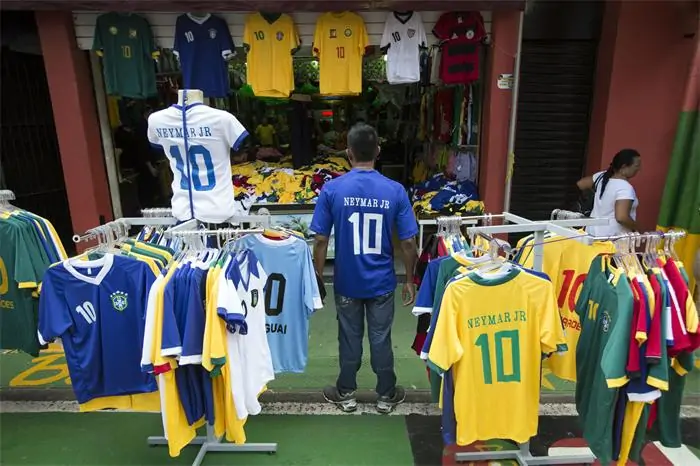
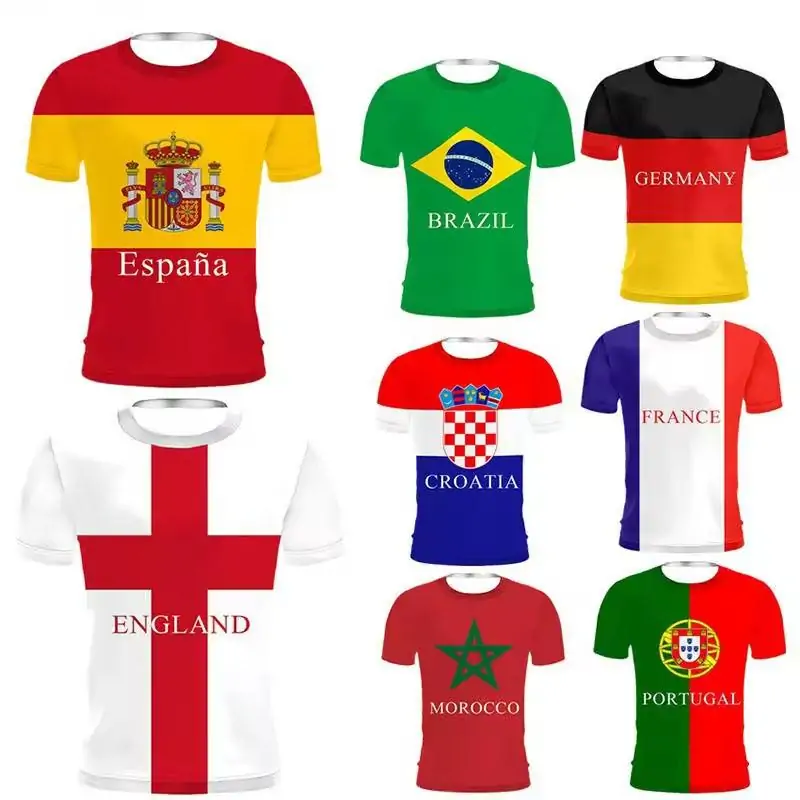
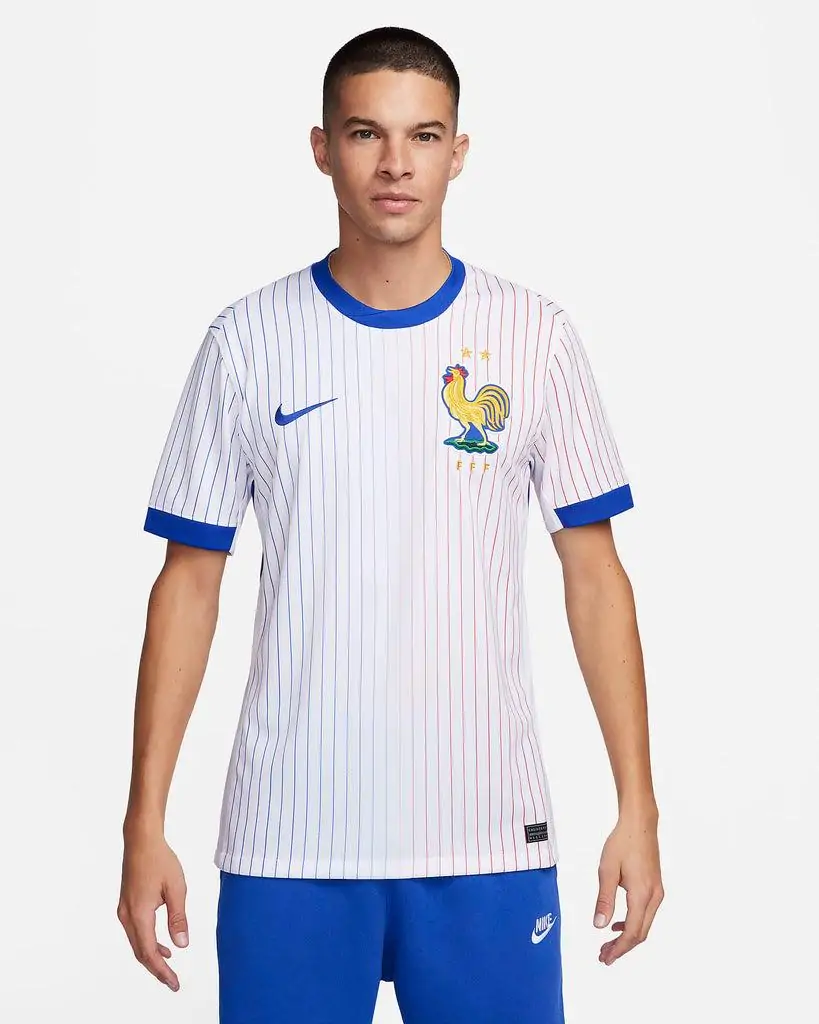
National Team Jerseys Wholesale for World Cup 2026 is a much bigger opportunity than a normal tournament-season restock. The 2026 FIFA World Cup is the first men’s World Cup with 48 teams, and FIFA’s official tournament pages describe it as a three-country event hosted by Canada, Mexico, and the United States, with a total of 104 matches. That scale matters for wholesale buyers because it means more participating teams, more fan segments, more matchdays, and a longer commercial window for jersey demand.
For retailers, resellers, event sellers, and distributors, that changes the job. A smart buyer cannot treat World Cup jersey wholesale like a simple “buy the famous teams and wait” season. The better approach is to plan product mix, size structure, quality control, printing accuracy, reorder timing, and legal compliance before placing a large order. The article below focuses on those real buying questions, because those are the points that usually decide whether a bulk order sells smoothly or becomes expensive inventory.
The first big change is breadth. A 48-team tournament creates room for more than just the usual global best-sellers. Traditional high-demand teams will still matter, but a larger field also increases interest in second-tier and diaspora-supported national teams. More matches also mean more moments that can suddenly increase demand for a specific jersey after a strong group-stage result or a breakout player performance. That commercial logic follows directly from the official expansion from 32 teams to 48 and the increase to 104 matches.
The second change is geography. Because the tournament is spread across three host countries in North America, sellers targeting local retail, online resellers, stadium-adjacent demand, and community-based fan markets may see different buying patterns by region. A bulk plan for a U.S.-focused reseller may not match a plan for a Latin America-oriented buyer or a European online seller. That is why a broad but controlled assortment matters more than ever.

Before you compare prices, define the customer.
A wholesale order for a streetwear-style reseller is different from an order for:
If your buyers mainly want fast-moving products, focus on proven national-team demand, standard adult sizes, and familiar home shirts. If your customers care more about variety, collectors, or niche fan demand, then a broader team mix can work.
Many wholesale buyers lose margin because they buy too wide too early.
A stronger starting structure is usually:
That keeps cash flow cleaner. It also lowers the risk of overstock on teams with weak sell-through.
Not every buyer wants the same jersey version.
In practice, bulk buyers usually need to choose between:
If you sell to retailers, simple and repeatable SKUs usually move more cleanly. If you sell to end users directly, printed versions may convert better, but they also raise the chance of errors and return disputes.
Sizing mistakes are one of the most common reasons wholesale jersey orders underperform.
A good bulk plan should define:
A cheap order is not really cheap if the size curve is wrong.

In jersey wholesale, buyers often focus too much on photos and not enough on wear quality.
When checking samples, look at:
A jersey that looks good in one product photo can still fail in real retail if the hand-feel is poor or the fit varies from size to size.
For national team jerseys, small visual errors are easy for fans to spot.
Pay close attention to:
For bulk orders, ask for close-up photos and at least one physical sample. A supplier who avoids detailed sample checks will usually create bigger problems at scale.
A practical pre-order test can include:
That process is simple, but it catches many avoidable wholesale mistakes.

A good World Cup assortment is usually tiered.
Tier 1: Core volume teams
These are the shirts most likely to carry your turnover.
Tier 2: Regionally strong teams
These can perform very well if your customer base matches the fan community.
Tier 3: Niche or story-driven teams
These create variety, but should usually be bought more carefully.
This approach is better than buying equal quantities across all national teams. Even in a larger 48-team tournament, demand will not be evenly distributed. That is a commercial inference from the broader tournament format, not a guarantee from FIFA.
Many buyers start with home jerseys because they are easier to recognize and easier to sell. That is usually sensible.
But away jerseys can also be valuable because:
A balanced first order often works better than a home-only strategy.
A small online retailer should not try to stock every national team heavily.
A more disciplined plan could be:
That makes reordering easier and reduces dead stock.
A seller working around tournaments, supporter gatherings, or diaspora-heavy markets may do better with deeper stock in fewer, locally relevant teams rather than a huge catalog. In that case, local audience knowledge beats broad inventory.
The cheapest quote is often not the best wholesale deal.
A realistic cost check should include:
A slightly higher supplier price can still be the better deal if quality is more consistent and restocks are faster.
For World Cup-related sales, speed matters.
A good supplier discussion should cover:
If the supplier only looks strong on the first quote but cannot support reorders, that is a major risk.
This part is critical. National team names, logos, graphics, and tournament-related branding can involve trademark and other intellectual-property rights. WIPO explains that counterfeiting involves unauthorized use of protected marks, and customs authorities actively target counterfeit goods. U.S. Customs and Border Protection states that it seizes counterfeit imports, and the World Customs Organization also emphasizes Customs’ role in combating counterfeit trade.
For that reason, serious wholesale buyers should source legally distributable merchandise and keep clean records, including supplier information, invoices, and any relevant authorization documentation. This is not just a legal formality. It affects border risk, platform risk, customer trust, and long-term business stability. If a shipment is stopped, the “cheap” order can quickly become the most expensive order you placed.
Because FIFA’s official schedule covers a very large 2026 tournament with 104 fixtures, buyers should think in phases rather than one single purchase.
This is the stage for:
This is where flexible restocking matters.
You may want to respond to:
At this stage, buying wide becomes riskier. Many buyers should shift from broad coverage to faster focus on teams still alive in the competition and the shirts already showing strong sell-through.
More teams in the tournament does not mean every team deserves the same stock level.
Photos are not enough for wholesale.
A jersey can pass fabric inspection and still fail because the crest, name set, or number application is poor.
Many buyers order too many extreme sizes and not enough of the middle sizes that actually move.
That is one of the most expensive mistakes in cross-border apparel trade.
National Team Jerseys Wholesale for World Cup 2026 is not only about finding a low quote. It is about choosing the right teams, the right size mix, the right quality level, the right reorder model, and the right compliance standard.
The 2026 tournament is larger than any World Cup before it, with 48 teams, three host countries, and 104 matches. That creates real wholesale opportunity, but it also rewards buyers who stay disciplined.
A strong bulk buying plan should do five things well:
If you do those five things, you are not just buying jerseys for a tournament. You are building a wholesale program that can sell more reliably before, during, and after World Cup season.