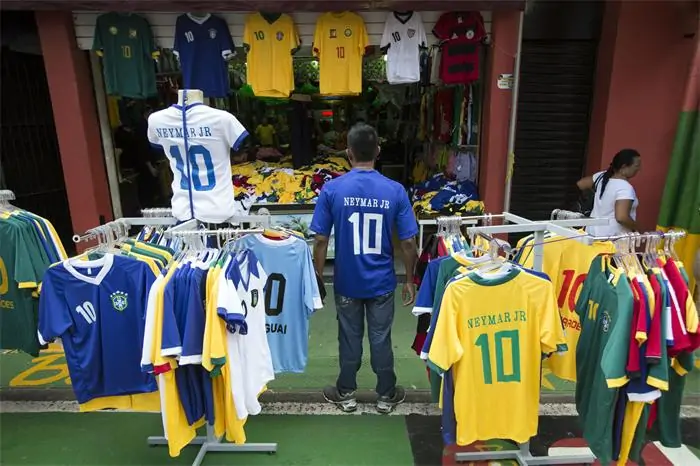
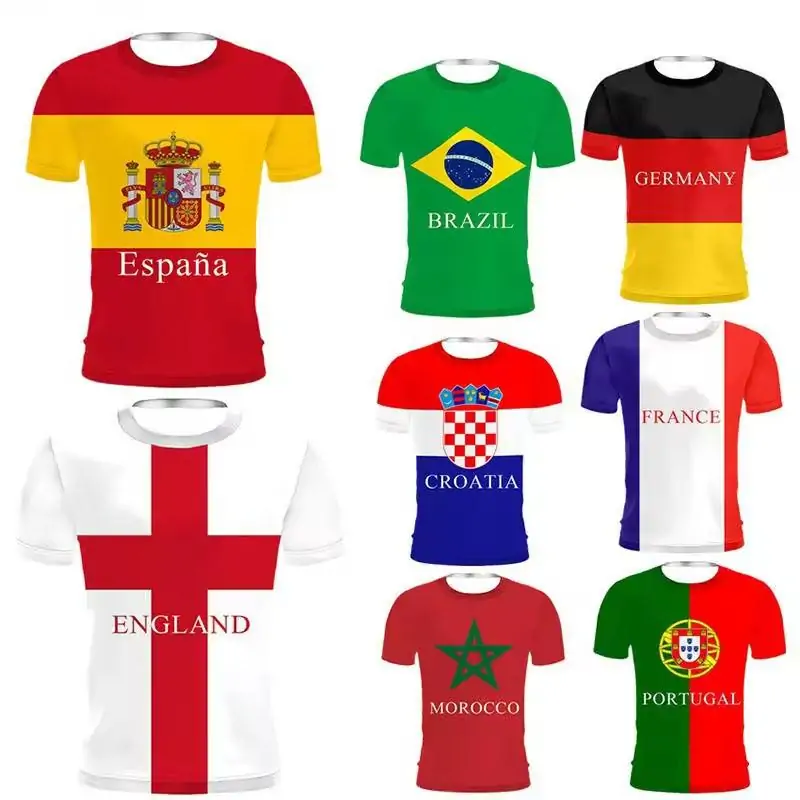
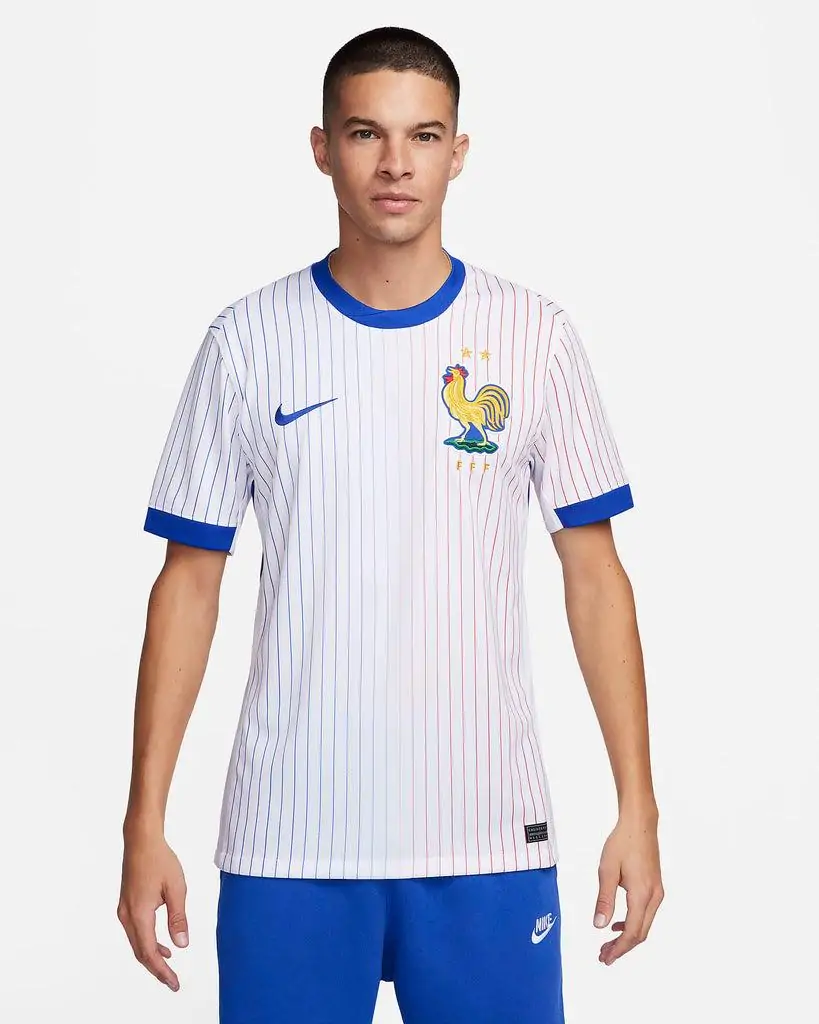
National Team Jerseys Wholesale for World Cup 2026 is not just about picking famous teams and hoping demand shows up. Smart bulk buyers need to think in layers: host-country demand, evergreen global teams, diaspora-driven demand, timing around qualification, and the legal side of football merchandise.
That matters even more for the 2026 tournament because this edition is larger than any previous men’s World Cup. FIFA’s official tournament pages confirm that the 2026 World Cup will feature 48 teams, be hosted across Canada, Mexico, and the United States, and involve 16 host cities and 104 matches. For wholesale buyers, that means more teams, more matchdays, more regional demand spikes, and more chances to stock the wrong thing if purchasing is based only on hype.

A normal international tournament already creates fast, emotional demand. The World Cup adds national pride, travel, watch parties, retail events, pop-up sales, school and club activity, and reseller demand at the same time.
The 2026 event raises the stakes further because it is spread across three countries and a record number of matches. That wider footprint should create demand in more local markets, not just in one host country or one final city. A buyer who stocks only “big-name” teams may still miss profitable regional demand.
For bulk buyers, the real question is not:
It is:
That is the mindset that protects cash flow.
If you are buying ahead of the tournament, the first layer should usually be the host nations:
This is the lowest-friction starting point for many wholesalers because host-nation demand tends to build before kickoff. That demand is not limited to hardcore fans. It often comes from:
For U.S.-focused sellers, the U.S. shirt is an obvious anchor item. For Mexico-facing markets, Mexico is often one of the most emotionally driven buys. For Canada, tournament visibility alone can lift demand beyond normal levels.
If your business sells into North America, these three teams usually deserve priority before you go deep into the long tail.

Your second layer should be teams that tend to attract demand across borders, not just in one local market.
That usually means countries with one or more of these traits:
In practical buying terms, this tier often includes the kinds of teams that wholesalers repeatedly return to because demand is not tied to one city alone. Even when final tournament performance is uncertain, these shirts often move because the fan base already exists.
This is where buyers should think about depth, not just breadth. Ten units each across too many teams usually performs worse than stronger depth in a smaller group of proven movers.

This is where many buyers either win big or tie up dead stock.
A national team shirt does not sell only because of tournament ranking. It also sells because of local community concentration. In many cities, diaspora demand is one of the clearest drivers of real turnover.
Examples of where this matters:
A team may not be your global bestseller, but if you are selling in a city with a strong local fan community, that shirt may outperform a “bigger” football nation on a per-store basis.
This is why bulk buying should never be fully centralized. A New York-area buyer, a Toronto-area buyer, and a Southern California buyer may all need different secondary team mixes even if they share the same top three sellers.
Many wholesalers focus too much on match jerseys and not enough on supporting SKUs.
A safer World Cup inventory mix often includes:
This matters because not every buyer wants the highest-priced item. Some want a cheaper fan shirt for one tournament month. Others want a youth size for family viewing events. Some resellers want quick-turn basics with lower capital pressure.
Even FIFA’s official retail ecosystem for 2026 already includes more than just match shirts. The official FIFA Store is currently promoting World Cup 2026 national team jerseys, a Host City collection, mascot merchandise, and the official match ball, which is a reminder that tournament demand spreads across several product categories, not only replica kits.
Below is a sensible starting structure for a wholesale order. This is not a universal formula, but it is a strong decision framework.
A cautious buyer might split inventory like this:
Why this works:
If your audience is already football-heavy, you can go deeper:
This structure fits stores, resellers, and event-focused sellers who already know football apparel moves well in their market.
A wholesale jersey order is not complete when team selection is done.
You also need the right size curve.
Common mistakes include:
A basic rule helps: let your market history lead the size mix, not your own guess. If you sell online, check prior top-selling sizes. If you sell wholesale to resellers, ask what actually moved in prior tournaments.
The expanded tournament creates excitement, but it also creates temptation.
Some buyers see 48 teams and assume they need broad coverage. That often leads to shallow, messy inventory with weak turnover. More teams does not automatically mean more profitable SKUs.
It usually means you need:
Not every shirt should be bought at the same moment.
FIFA’s official 2026 tournament coverage already includes a live qualified-teams page and the current match-schedule information. That gives buyers a better foundation for staged ordering than in older tournament cycles. Early orders can focus on low-risk demand, while later reorders can react to confirmed qualification and fixture visibility.
A better approach is to split buying into phases:
A Florida wholesaler, a California wholesaler, and a UK-facing wholesaler should not stock identical mixes.
Market-specific variables include:
Bulk buying works best when central planning is combined with local flexibility.
This is a serious issue.
FIFA explicitly states that it protects its brand assets, including logos, titles, symbols, and other identifiers, and that use of official marks requires permission or licensing. FIFA also notes that protected materials such as logos and certain images are not freely usable for commercial purposes.
For wholesalers, the takeaway is simple:
If you are selling official merchandise, keep sourcing records clear. If you are selling generic fan apparel, keep the branding line clear.
That is not just a legal issue. It is also a trust issue for distributors and retail partners.
If you want the shortest usable answer, here it is:
The best bulk buyers do not try to predict the whole tournament in one purchase order.
They build a system.
That system usually includes:
The 2026 World Cup will be unusually broad in scale, geography, and commercial reach. FIFA’s official platforms already reflect that scale through the host-city structure, the 104-match schedule, qualified-team tracking, hospitality sales across the three host nations, and an active 2026 merchandise program. That should tell wholesalers one thing: this tournament is big enough to reward planning, but also big enough to punish lazy buying.
National Team Jerseys Wholesale for World Cup 2026 should start with discipline, not excitement.
Bulk buyers who stock the right foundation first will usually outperform buyers who chase every team at once. Start with host nations. Add evergreen global sellers. Layer in diaspora demand based on your actual market. Leave room for qualification-driven reorders. Stay careful with licensing and official marks.
That is the practical way to turn a big football moment into cleaner inventory movement, stronger margins, and less dead stock after the tournament buzz settles.
Read more:
National Team Jerseys Wholesale for World Cup 2026: A Complete Bulk Buying Guide